

Andrew Gaffney
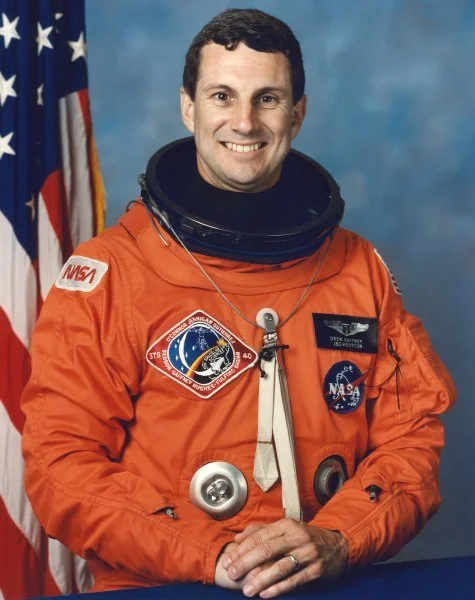
Dr. Francis Andrew “Drew” Gaffney was born June 9, 1946, in Carlsbad, New Mexico. He graduated from Carlsbad High School in 1964, received a Bachelor of Arts degree from the University of California, Berkeley in 1968, and a Doctor of Medicine degree from the University of New Mexico in 1972.
With a wealth of experience and knowledge, Dr. Gaffney has contributed significantly to the fields of cardiovascular regulation and space physiology, with over 50 publications to his name.
As a Colonel in the Texas Air National Guard, Gaffney was a Flight Surgeon for the 147th Fighter Interceptor Group at Ellington Air National Guard Base, Houston, Texas.
Dr. Gaffney served as a Visiting Senior Scientist with the Life Sciences Division at NASA Headquarters from January 1987 through June 1989. He worked with the Operational Medicine group and was Associate Manager of Biomedical Research and Program Scientist for the D-2 Spacelab mission and the Research Animal Holding Facility. He was a member of several working groups and implementation teams that planned collaborative research with German, French, and Soviet government scientists. He also served on several Space Station Freedom and advanced mission planning groups, including the "Humans to Mars" study group.
Dr. Gaffney's role as a co-investigator on an experiment that studied human cardiovascular adaption to space flight was a significant contribution. The SLS-1 mission, on which he served as a payload specialist, flew over 3.2 million miles in 146 orbits, and its crew completed over 18 experiments in nine days, bringing back more medical data than any previous NASA flight. The mission duration was 218 hours, 14 minutes, and 20 seconds.
Following this flight, Dr. Gaffney served as a member of the Institute of Medicine's Committee on Space Biology and Medicine from 1992 to 2000. He is a professor of medicine (cardiovascular disease) at Vanderbilt University and continues to consult and review human spaceflight-related studies.
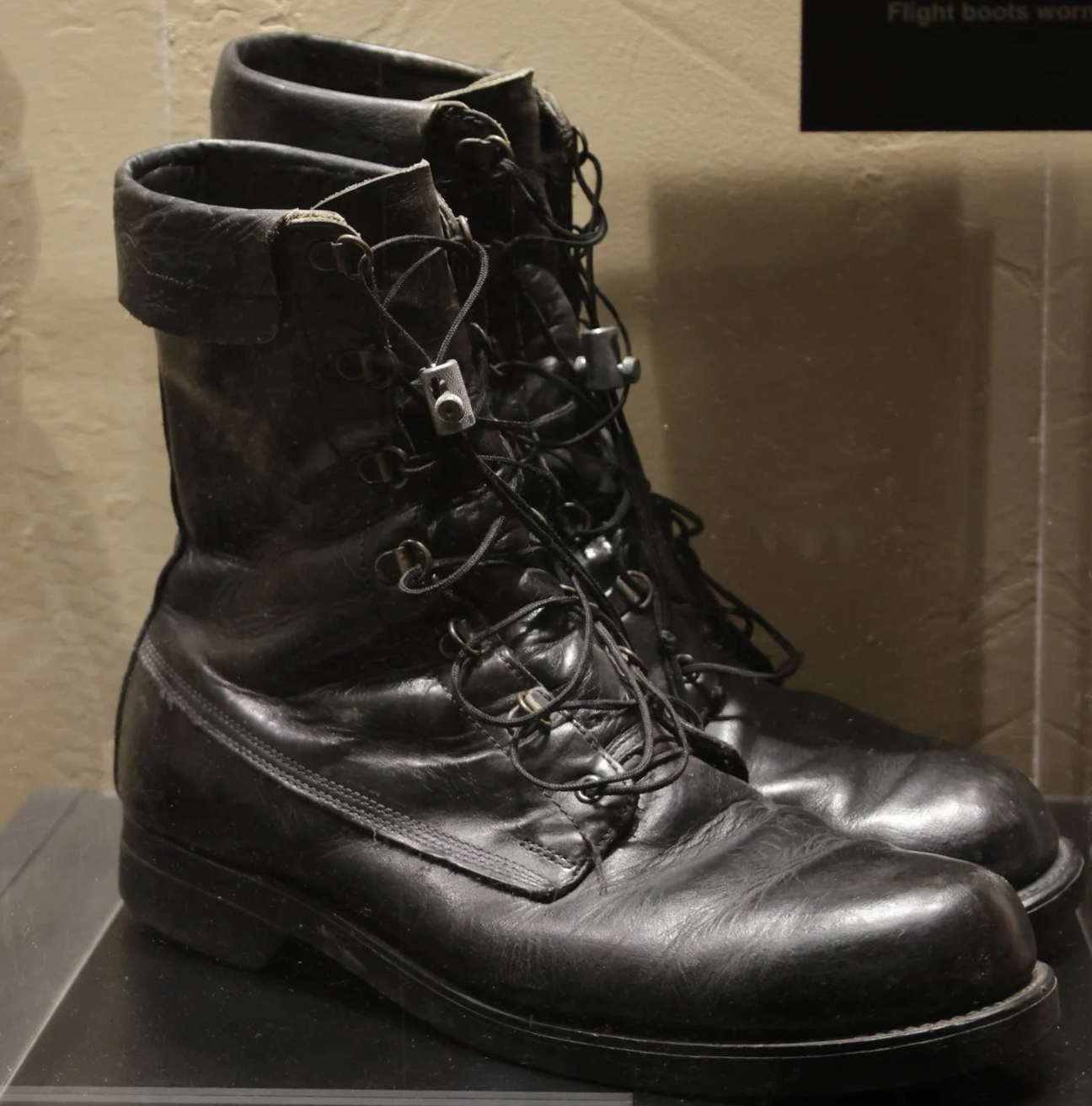
Flight boots worn by Gaffney
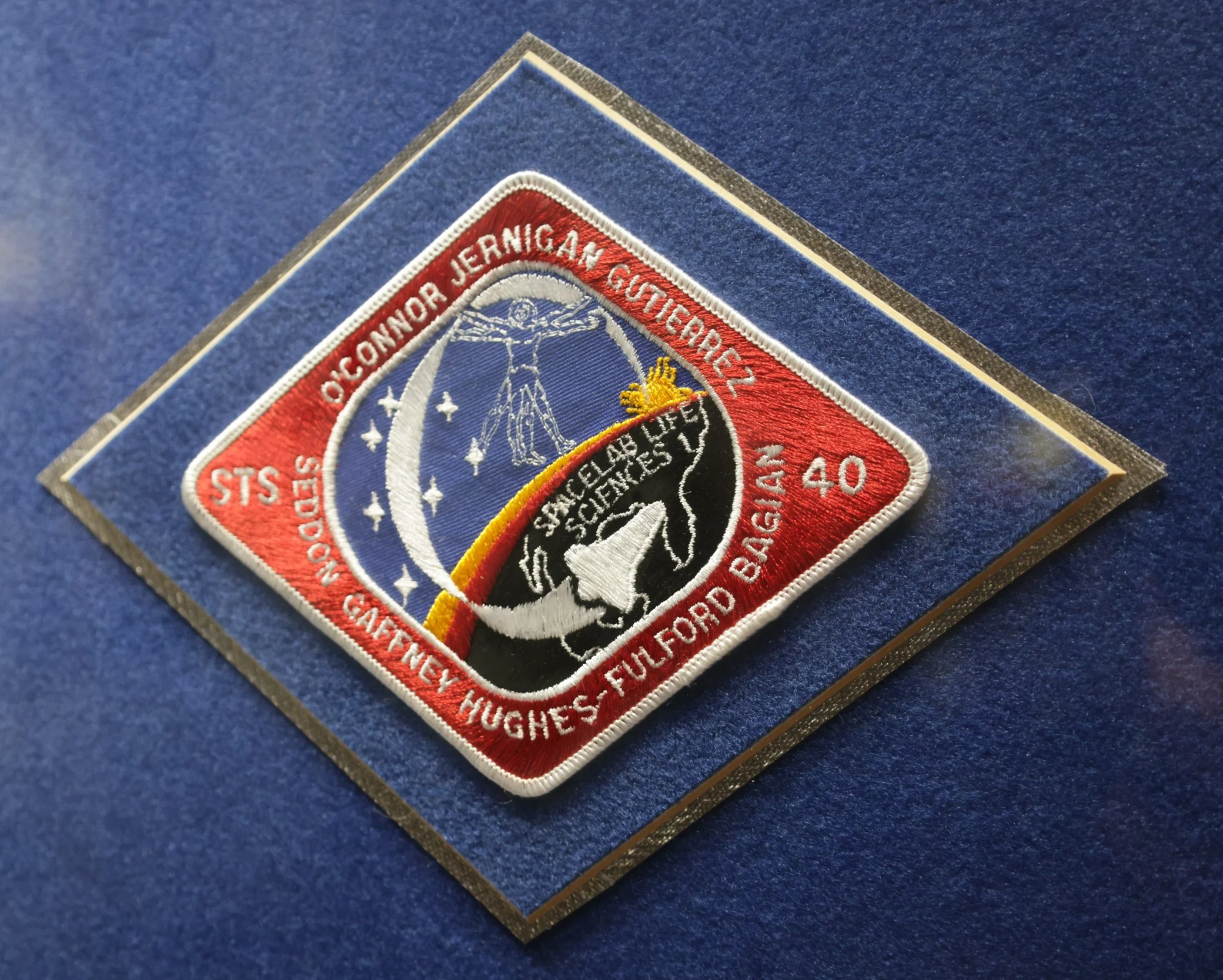
The mission patch from the SLS-1 mission on which Gaffney served as a payload specialist aboard STS-40. This was the first Spacelab mission dedicated to biomedical studies.
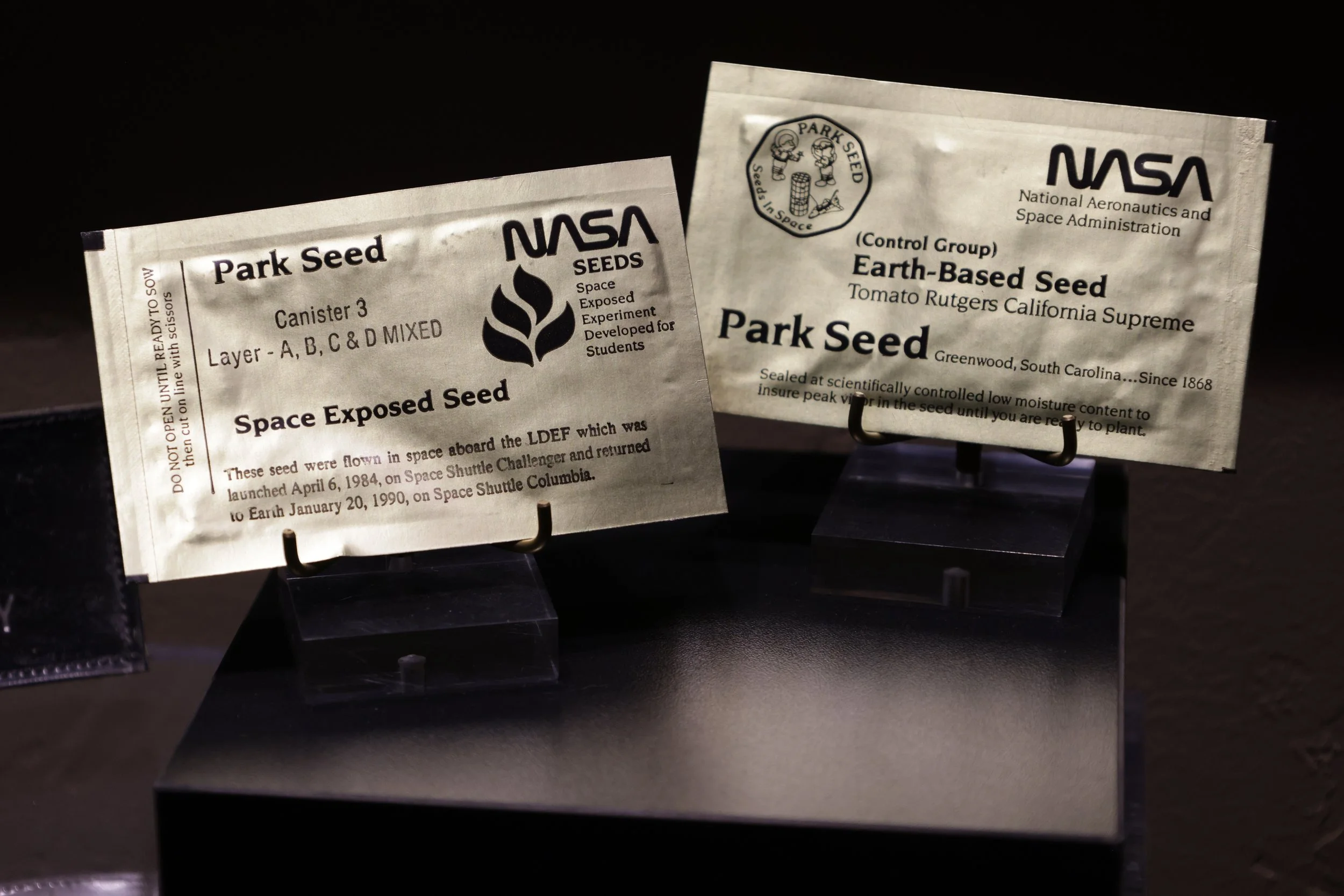
Seed packets from the SLS-1 mission
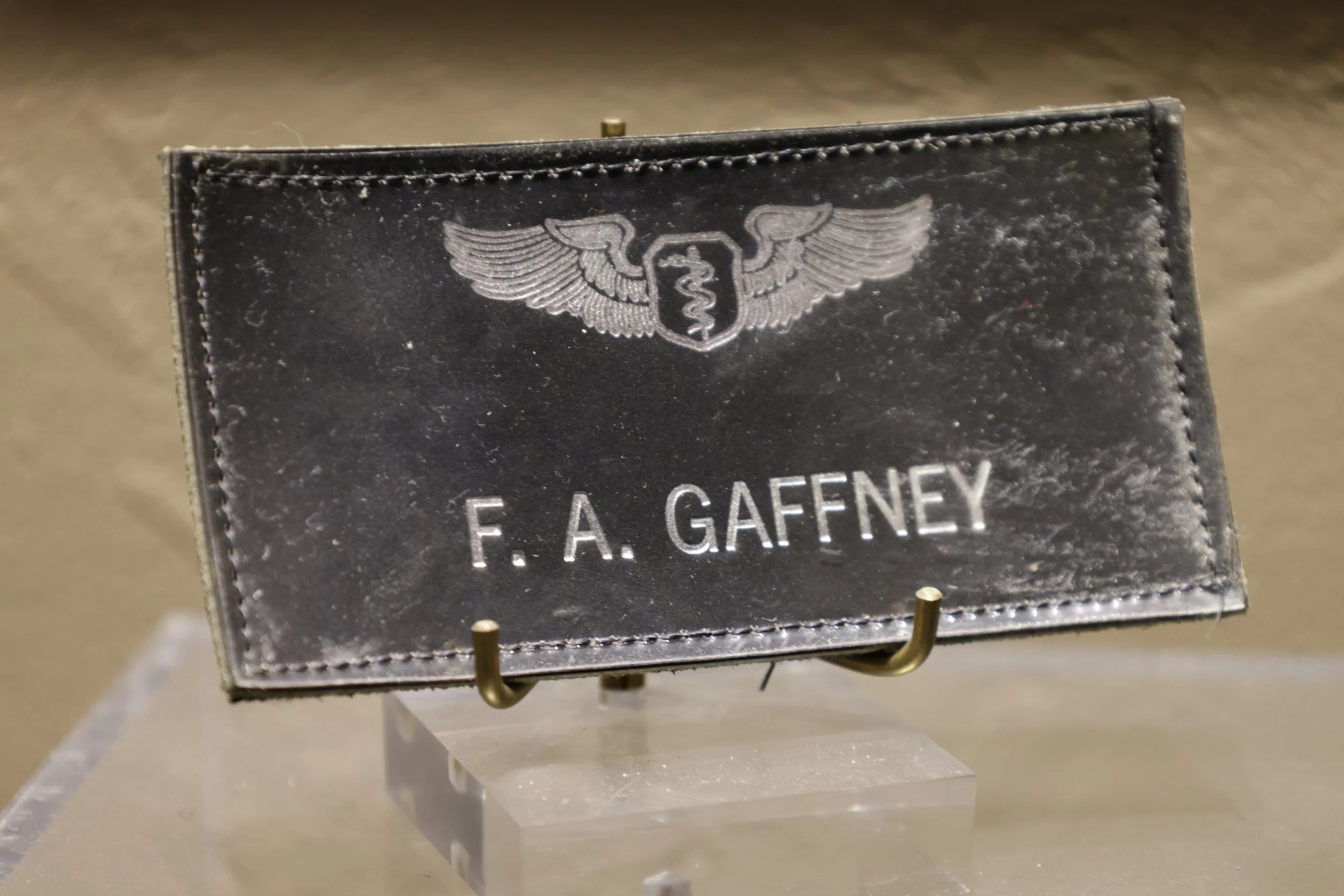
The name patch worn by Gaffney